 Domestic Violence
Serving all of California
National Domestic Violence Hotline
24/7 confidential crisis support, safety planning, and referrals. Call 1-800-799-7233 or text START to 88788.
Learn moreThis site exists for anyone who feels pressured, frightened, or alone in their reproductive choices. Whether someone is pushing you to end a pregnancy, to stay pregnant, or to become pregnant, sabotaging your birth control, or controlling your body through threats, money, or fear, that is reproductive coercion, and you don't have to face it alone. You have options, and you have people ready to stand with you.

Reproductive coercion is a form of intimate partner violence and power control where one person tries to control another person's reproductive choices. It includes lying about or sabotaging birth control, forcing a partner to become pregnant, or forcing them to have an abortion against their will.
Hiding, throwing away, or damaging birth control pills, patches, or condoms.
Removing a condom during sex without telling the other person.
Constantly guilting, threatening, or forcing a partner to get pregnant.
Pressuring or threatening a partner to have an abortion, or forbidding them from having one.
Strongly linked to physical domestic abuse and higher rates of unintended pregnancies.
Can lead to severe anxiety, depression, and post-traumatic stress.
Takes away a person's basic right to choose what happens to their own body.
If you or someone you know needs help or support, you can reach out confidentially to the National Domestic Violence Hotline.
In 2022, California enacted Senate Bill 374, amending Family Code §6320(c)(5) to expressly recognize "reproductive coercion," controlling another person's reproductive autonomy through force, threat of force, or intimidation, as a form of abuse under the Domestic Violence Prevention Act. Courts have long recognized the "devastating psychological consequences" of a coerced abortion (Planned Parenthood v. Casey, 1992) and described forced abortion as a "permanent and continuing" harm with "irremediable and ongoing suffering" (Qili Qu v. Gonzales, 2005). Coercion to abort is an "impermissible intrusion" on a constitutionally protected freedom of choice (Arnold v. Board of Education, 1989).
This site shares survivor experience and publicly reported research and case law for awareness. It is not legal advice. If you need legal help, contact a licensed attorney or a domestic violence advocate.
We believe every woman deserves to make her decision free from fear, pressure, and coercion. These are the promises we keep.

A choice made under threat is not a choice. If a partner, parent, or anyone else is pressuring you to end your pregnancy, that pressure is not okay, and it is not your fault.
Coercion can be part of a larger pattern of control or abuse. We connect you with people trained to help you stay safe, plan quietly, and find shelter when you need it.
Housing, financial help, counseling, medical care, and legal guidance. Choosing life should never mean choosing it alone. We help you find what you need to move forward.
No judgment. No shame. No agenda but yours. We meet you where you are and walk with you at your pace, for as long as you need.
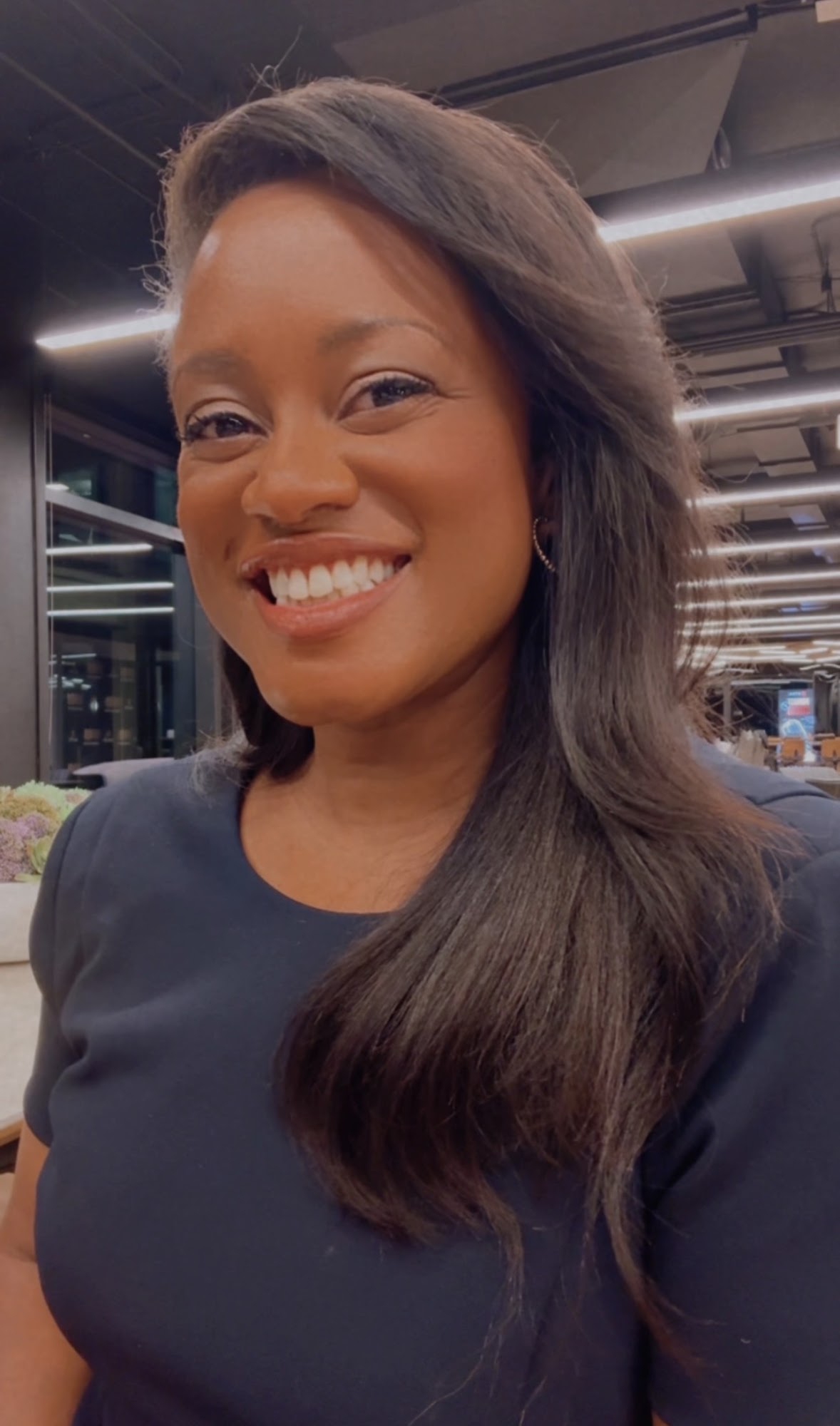
"Sometimes healing happens alongside the people who harmed you. Sometimes the only justice you receive is the justice you create for yourself, and your babies. I started this site so that anyone feeling pressured has somewhere safe to turn, and someone in their corner."
Every day, women are pushed toward a choice they don't want by the very people who should protect them. I later dismissed my restraining order on the advice of counsel, and after intimidation from women in his family at the courthouse. At the time, reproductive coercion was not recognized under California family law. Today, it is.
Adonica Shaw
In the summer of 2007, over the span of just a few weeks, I underwent two abortions in California. At the time I was in love, and when he proposed marriage instead of a baby, or his family wouldn't approve, I thought I hit the jackpot. I grew up without a lot of resources or a large, loving family. What could possibly go wrong? If I just did this one thing, I would get everything I ever wanted. But what soon followed was fallout from friends who recognized early on how unhealthy the relationship was for me. Sometimes your friends are wrong about a guy you're seeing, but from my experience, they usually are not.
What began as two became several while I was married and under his financial and coercive control. Marriage is a beautiful institution, but harm is often overlooked simply because you are married. Reproductive coercion often starts small, but many women find themselves enduring more and more over time, believing that going along with it will make him love them, or stay. It doesn't.
July 11–14, 2007
August 2, 2007
Afterward
My first born came after these two procedures. He attempted to coerce me to terminate that pregnancy as well, a child with the very same due date I should have been celebrating, not because of me, and not because of her, but because his family wouldn't pay. Often when a woman is dependent on a husband, and he is dependent on his family for finances, it creates an environment where she has no place to turn for help. That was my story, and it's why I speak for self-advocacy now, because sometimes, in this situation, no one is coming to help you.
When money becomes the reason a pregnancy "has to" end, when a partner's parents, or your own, hold funds over your body and your choices, that is financial control. It is coercion, and it is a recognized form of abuse. No family's checkbook should ever decide whether your child gets to live.
Although the children are not living today, I took responsibility and accountability, even when he wouldn't. I worked with birthworkers and honored them as my own through a memorial and funeral. There are many ways to honor yourself and the grief that lingers. Memorials, letters, and rituals of remembrance can all be part of finding peace and reclaiming your story.
Visit the memorial
For a long time, I didn't catch the signs. It was only later that I learned to love myself more and to educate myself about what had happened to me. Things eventually became so bad that I had to get a restraining order for sexual assault.
Over several years of programs and support groups, and working alongside doulas, I came to understand how decisions made or forced around reproductive choices and pregnancy can have lasting effects. My poetry is part of that journey. Sometimes the first step toward safety is simply finding your voice again and knowing you are seen.
Released September 2025.
Released Fall 2025.
Released Fall 2025.
Leaving, and staying gone, is rarely a single decision. Research on protective orders shows how common it is for survivors to withdraw or not renew them, and how often abuse continues afterward.
~60%
reported re-abuse by the person named in their temporary restraining order, with psychological abuse the most common form.
U.S. DOJ, Office of Justice Programs
~63%
of women do not follow through to obtain a one-year order; only about 37% secure a final order.
Zoellner et al., Violence and Victims (2000)
79.6%
of protection orders were violated within the first five months of being issued.
Kaci, J. Am. Acad. Psychiatry Law (2010)
~40%
of women who obtain a temporary restraining order never return to court to request a permanent one.
Harrell & Smith; Holt et al.
Pressure and coercion around pregnancy can be a form of abuse. Trust your instincts. Here are quiet, practical steps you can take to protect yourself.
Threats, ultimatums, controlling your money, isolating you from family, or forcing a decision are all warning signs. You have the right to say no.
Use a phone he can't access, a trusted friend's device, or a library computer. Clear your browser history, or use the Quick Exit button on this page anytime.
Keep essentials such as ID, cash, medications, and important documents somewhere safe. Know where you would go and who you would call if you needed to leave quickly.
Advocates can help you find emergency housing, protective orders, and confidential support. You do not have to explain or justify. Just call.
If you are in immediate danger, call 911. For confidential 24/7 support in San Francisco, use the real crisis and safety lines below.
These are real, confidential lines serving survivors across California and nationwide. You never have to give your name, and you can hang up at any time. When you're ready, they're here.
Confidential 24/7 crisis, sexual assault, reproductive coercion, and domestic violence resources serving survivors across the state of California. If you are being pressured or are unsafe, these people can help right now.
Domestic Violence24/7 confidential crisis support, safety planning, and referrals. Call 1-800-799-7233 or text START to 88788.
Learn more Sexual Assault
CALCASA connects survivors to a statewide network of rape crisis centers and advocacy. Sexual Assault Hotline: 1-800-656-4673.
Learn more Reproductive Coercion
Confidential help for reproductive coercion and relationship abuse. Call 1-866-331-9474 or text LOVEIS to 22522.
Learn more Advocacy Network
CPEDV links survivors to local domestic violence programs and shelters throughout California.
Learn more Victim Services
Referral help for victims of crime: safety, compensation, and legal options. Call 1-855-484-2846.
Learn more Crisis Line
Free, confidential support for people in distress. Call or text 988 any time, from anywhere in the U.S.
Learn more